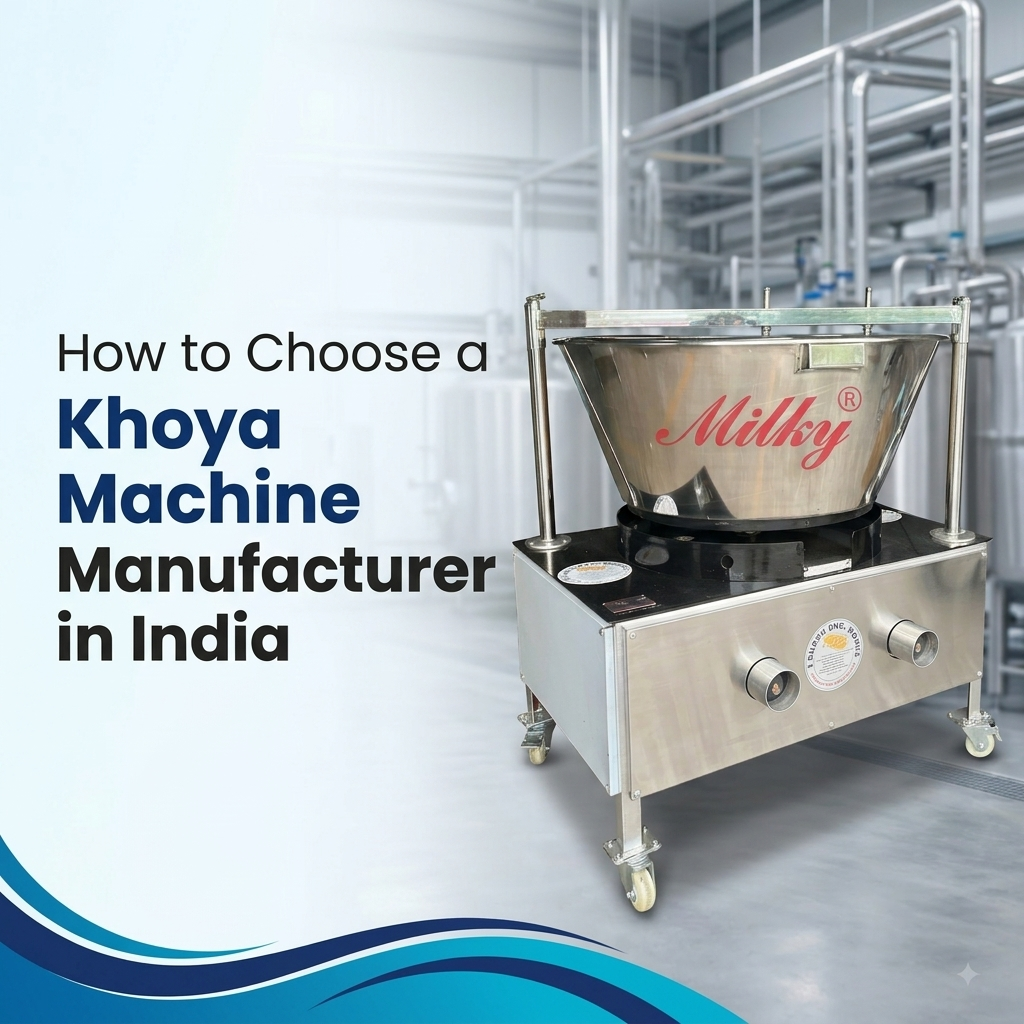
Khoya (also called mawa or khoa) is the base for many Indian sweets, and a commercial machine replaces long, continuous stirring over a flame. Choosing the maker is harder than choosing the machine. Capacity figures use different labels, materials vary and warranty terms are often unclear. This guide gives you a seven-step process to evaluate […]
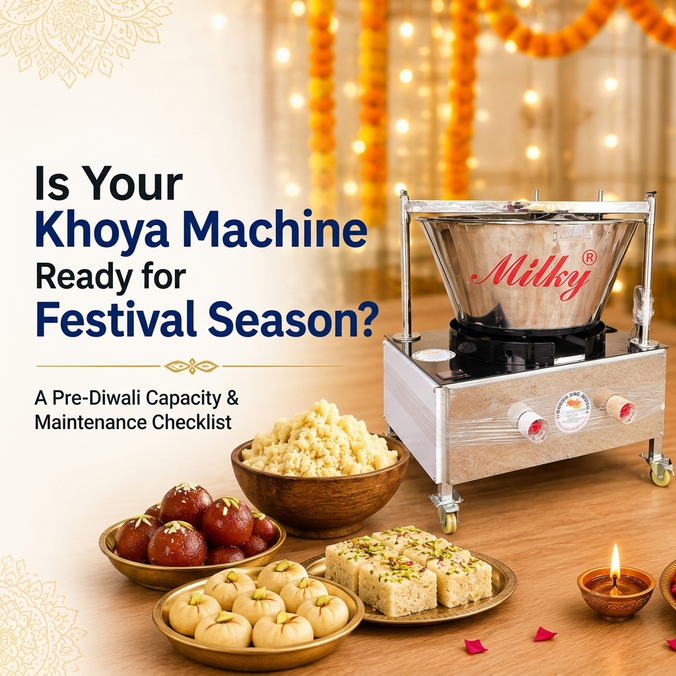
Diwali orders for gulab jamun, peda, barfi, and other khoya-based sweets don’t arrive gradually they hit all at once. A khoya making machine that runs fine through October can strain under back-to-back batches, rushed cleaning cycles, and longer daily run times in November. Before you commit to festival production volumes, check five things: your realistic […]
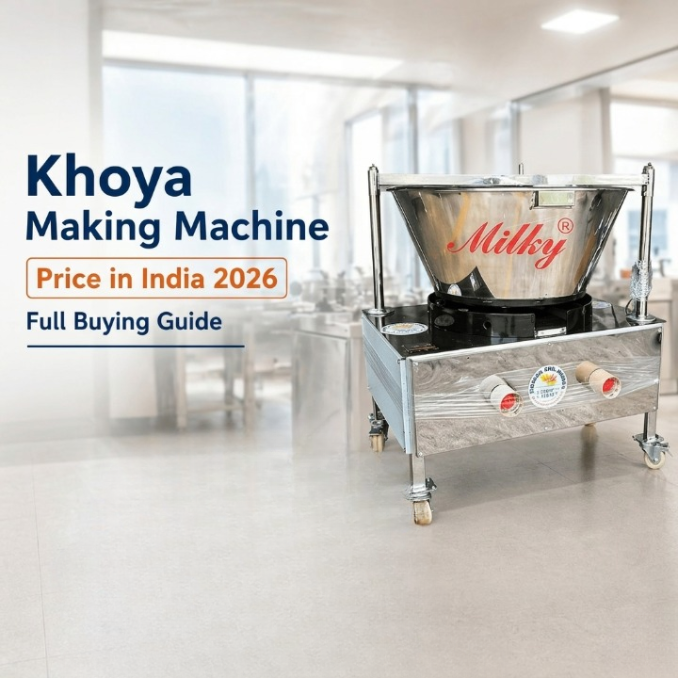
Introduction Khoya (also called mawa or khoa) is the backbone of India’s traditional sweet industry. From gulab jamun and barfi to halwa and peda, dozens of iconic Indian mithai depend on khoya as their primary ingredient. The Indian dairy confectionery sector consumes millions of kilograms of khoya every year, and demand grows consistently with rising […]
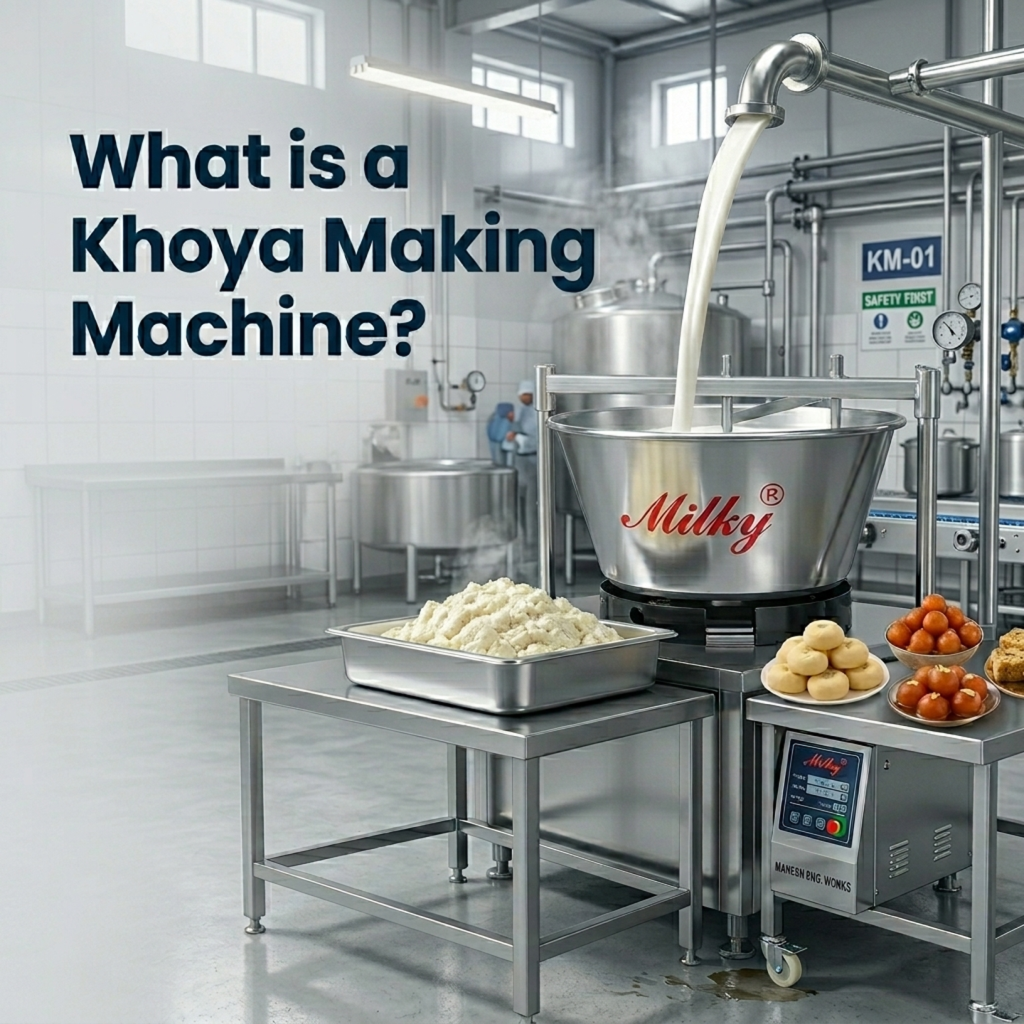
India runs on mithai. From Diwali barfi to daily peda, khoya (mawa) is the foundation of the country’s ₹50,000+ crore sweet industry and demand is growing every year. Yet most small and medium dairy businesses still make khoya the traditional way: hours of stirring milk over open flame, inconsistent output, high labor costs, and significant […]