


A batch that stays runny costs you milk, time and customer trust. The cause can sit in the milk, the culture, the temperature, the cleaning routine or the equipment, and guessing wastes more batches. This guide covers the common causes in the order that finds the fault fastest. It includes a reference process for yoghurt […]

Quick answer: The reference method in the FSSAI manual is oven drying. A grated sample of about 3 g is mixed with prepared sand and dried in a forced-air oven at 102°C (controlled to ±1°C) until two weighings agree within 0.5 mg. It takes several hours. A rapid moisture analyser gives a result in minutes […]
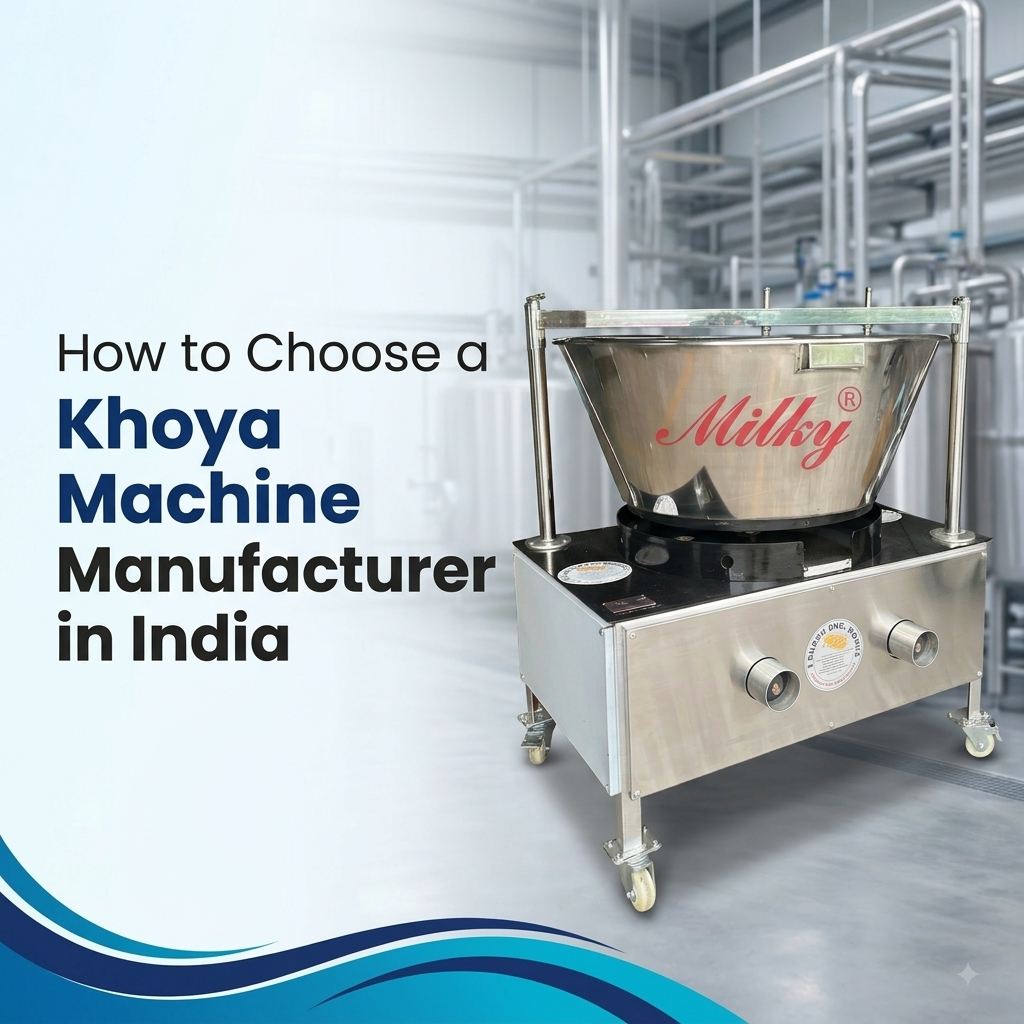
Khoya (also called mawa or khoa) is the base for many Indian sweets, and a commercial machine replaces long, continuous stirring over a flame. Choosing the maker is harder than choosing the machine. Capacity figures use different labels, materials vary and warranty terms are often unclear. This guide gives you a seven-step process to evaluate […]

FSSAI has proposed a draft amendment that would stop products made from non-milk ingredients from being manufactured and sold as paneer. It targets analogue products, not milk-based paneer, but dairy processors making genuine paneer should understand it, because it affects how labels, menus and supplier claims may be read. As of 6 October 2026, the […]

Short answer: No single manufacturer is best for every dairy. The best dairy equipment manufacturer in India for you is the one that makes the machines you need, at your capacity, in food-grade stainless steel, and supports them after delivery. This guide gives you the factors to compare before you buy. If you are still […]
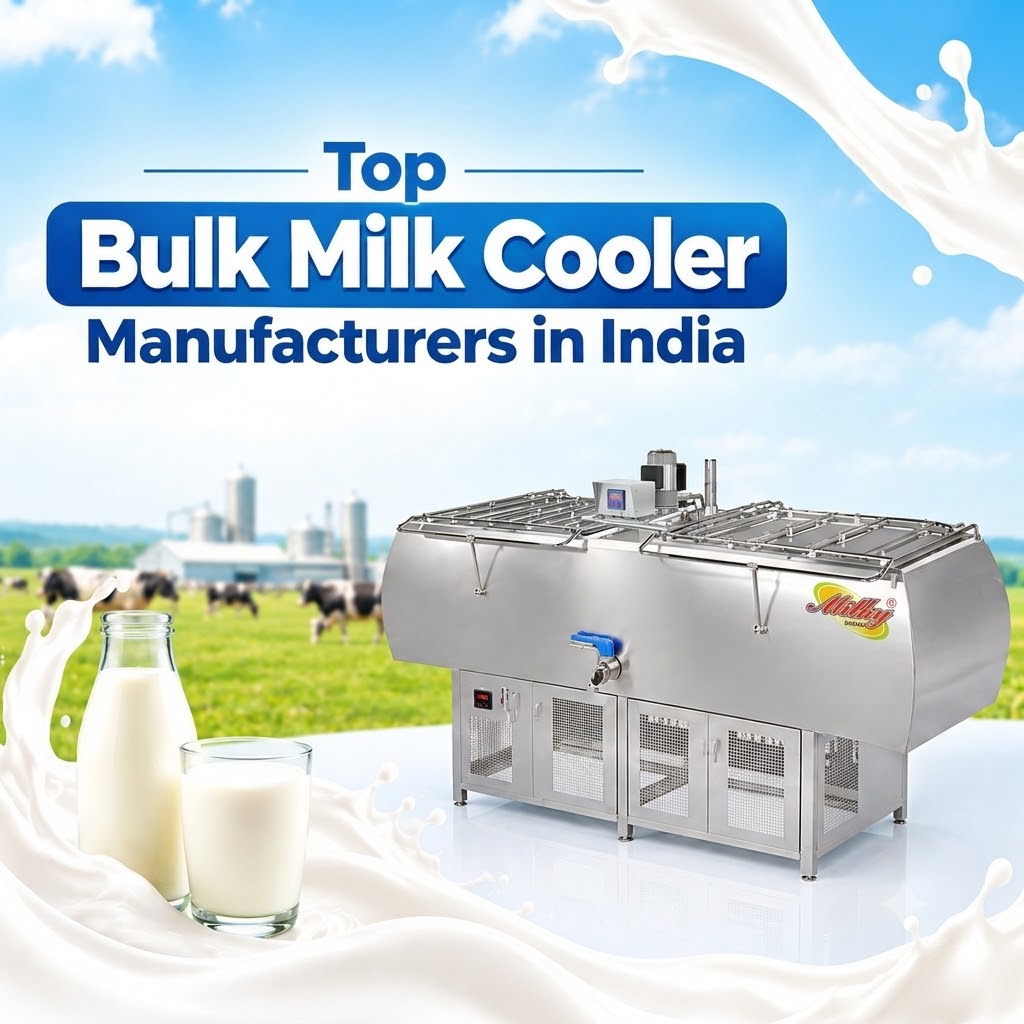
Bulk milk coolers are the first line of defence for milk quality at village collection centres, dairy farms and cooperatives. Milk leaves the udder warm, and bacteria can multiply quickly if it is not chilled promptly. A reliable cooling tank helps hold milk safely until it is collected or processed. This guide compares bulk milk […]
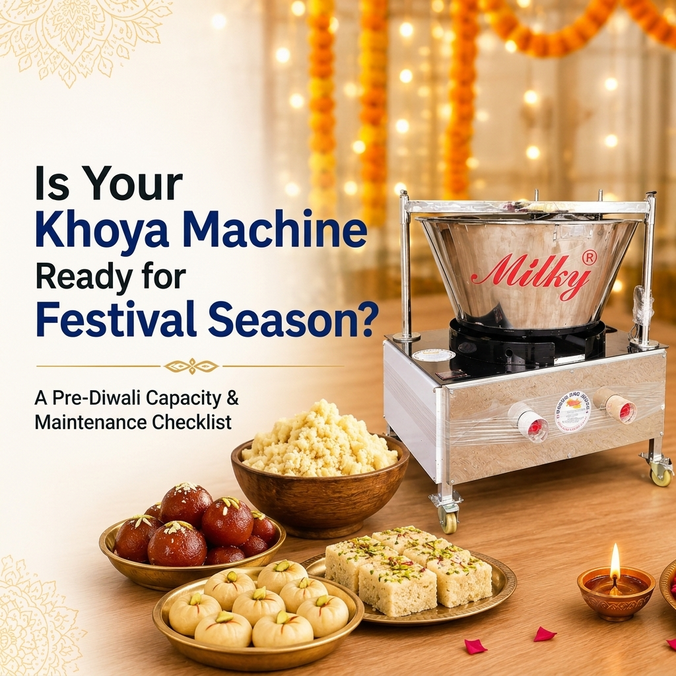
Diwali orders for gulab jamun, peda, barfi, and other khoya-based sweets don’t arrive gradually they hit all at once. A khoya making machine that runs fine through October can strain under back-to-back batches, rushed cleaning cycles, and longer daily run times in November. Before you commit to festival production volumes, check five things: your realistic […]
India is the world’s largest milk producer, and dairy remains one of the most resilient rural businesses in the country but “profitable” and “well-run” are not the same thing. Livestock contributes roughly 4.11% to India’s GDP and 25.6% to agricultural GDP, with rural small-scale farmers supplying nearly 62% of the nation’s milk. Yet a large […]

Government support for dairy entrepreneurs in India isn’t one scheme it’s a mix of interest subvention (AHIDF, AIF), credit-linked capital subsidy (PMFME), working-capital support (Kisan Credit Card), and credit guarantees (CGTMSE), plus state-level programmes. Eligibility depends on your project’s scale, product, and legal structure. A micro paneer unit, an FPO building a chilling plant, and […]

Quick Answer: Milk storage tank prices in India range from around ₹30,000 for a basic 500-litre non-insulated tank to ₹7,90,000+ for insulated 10,000-litre and larger custom silos. Price depends mainly on capacity, stainless steel grade, insulation, and whether an agitator or automation is included. Introduction If you’re comparing milk storage tanks, the honest answer is […]

Quick Answer: SS304 stainless steel is suitable for most standard dairy processing equipment handling milk, cream, and general dairy products under normal cleaning conditions. SS316 is recommended when equipment faces high-chloride cleaning agents, high-acid products, coastal humidity, or export compliance requirements, its added molybdenum content gives it significantly better resistance to pitting and corrosion. For […]

Match your paneer press machine capacity to your daily milk input, not just your current paneer demand. As a rough guide: 50 litres/day of milk needs only a small manual press, 100 litres/day suits an entry pneumatic press, 300 litres/day needs a mid-size pneumatic or hydraulic unit, and 500+ litres/day needs a multi-mould hydraulic or […]