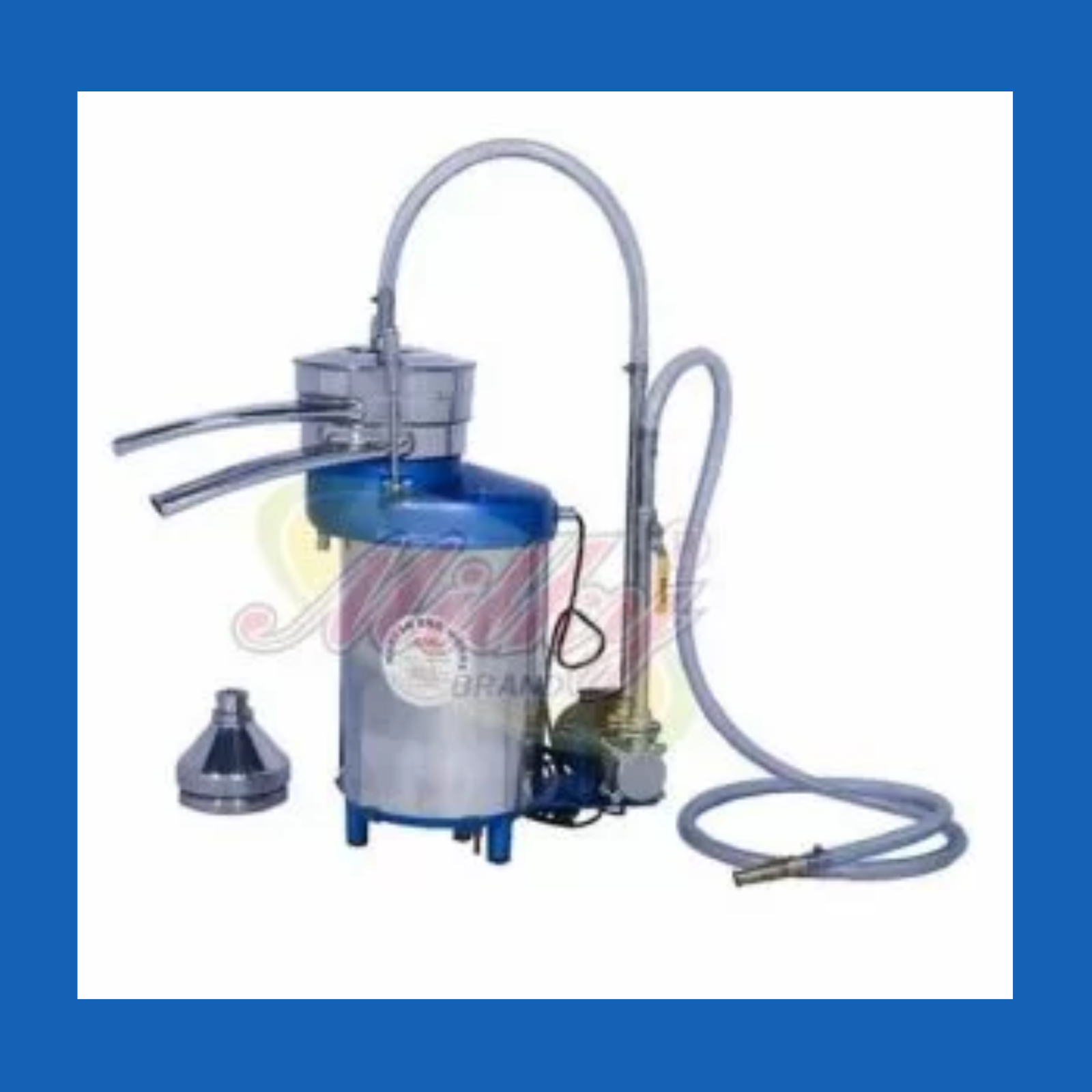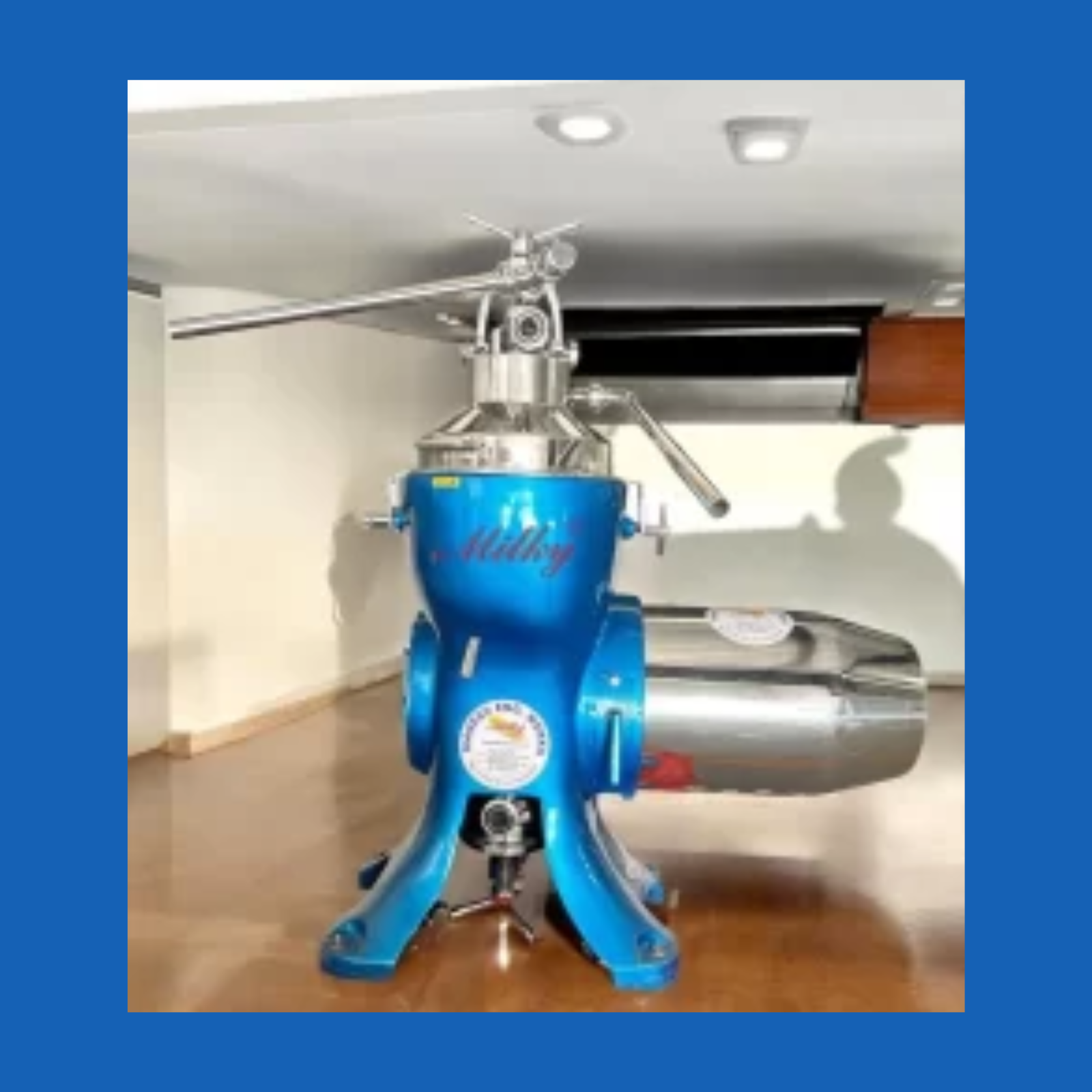
Salem's dairy sector runs on a large network of cooperative societies, private collection points, and small-to-mid sized processing units handling mostly cow milk, alongside a smaller share of buffalo milk. For any of these operations, the cream separator is where profit is made or lost a machine that isn't matched to local water quality, milk handling routine, and daily duty cycle ends up delivering thin cream and frequent downtime instead of consistent output.
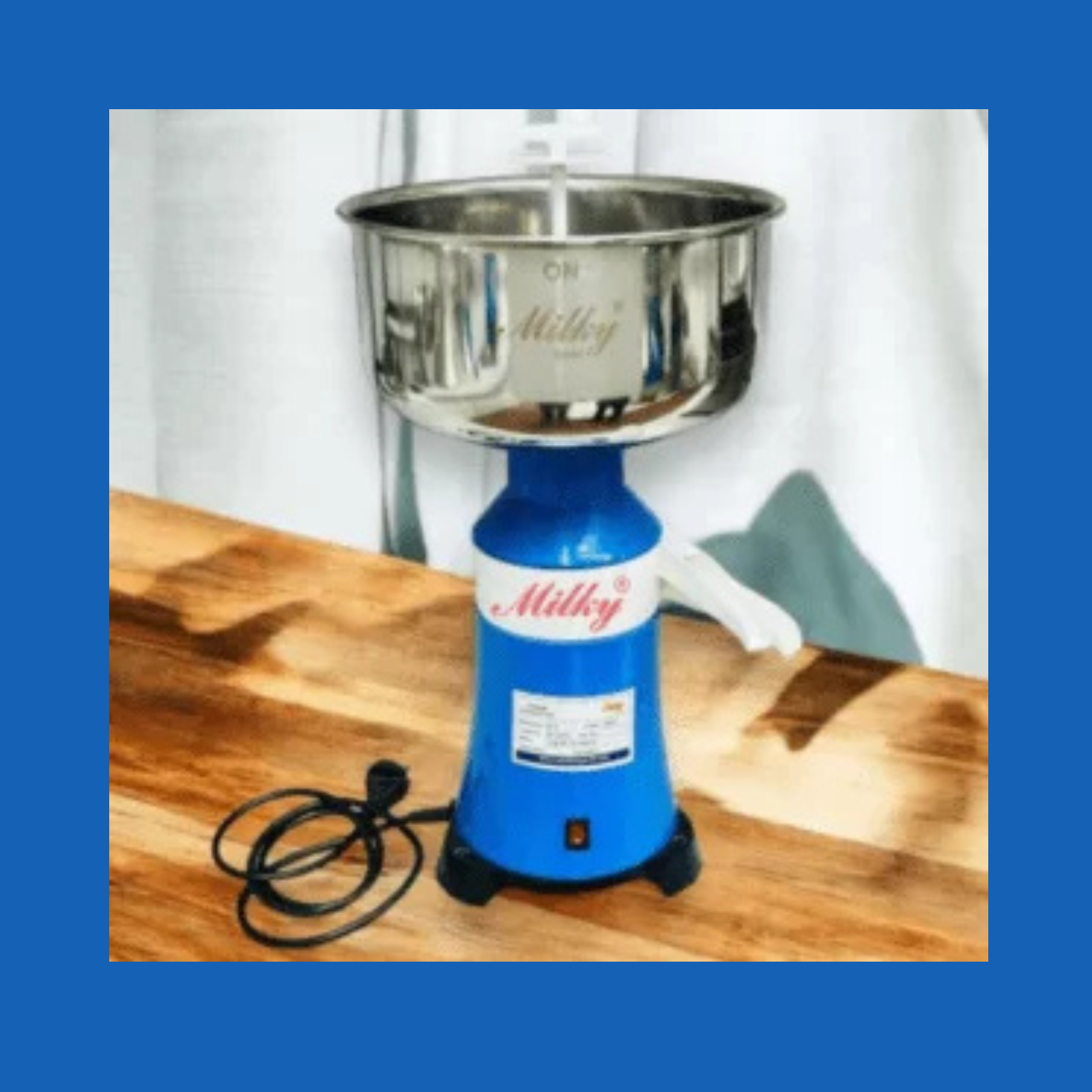
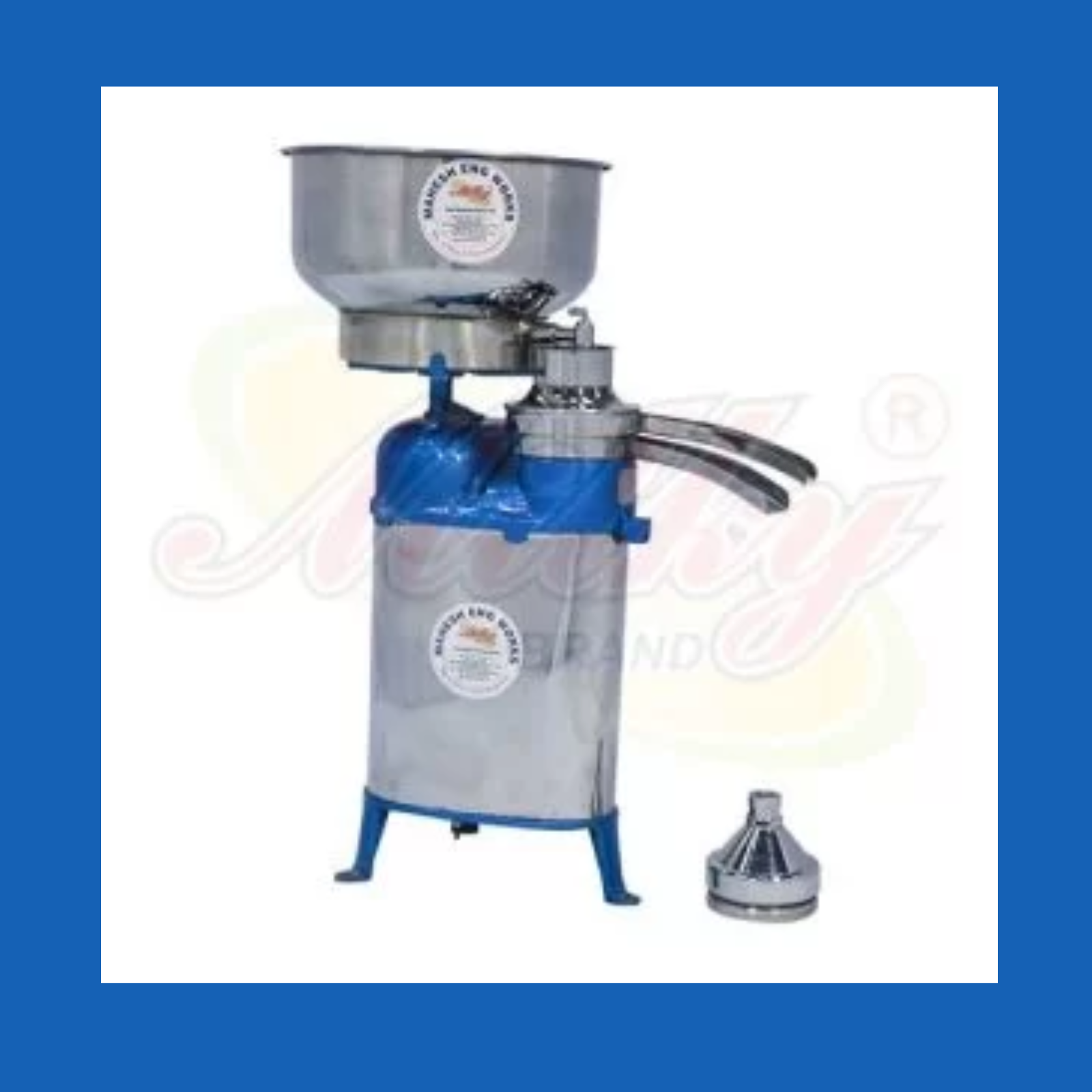
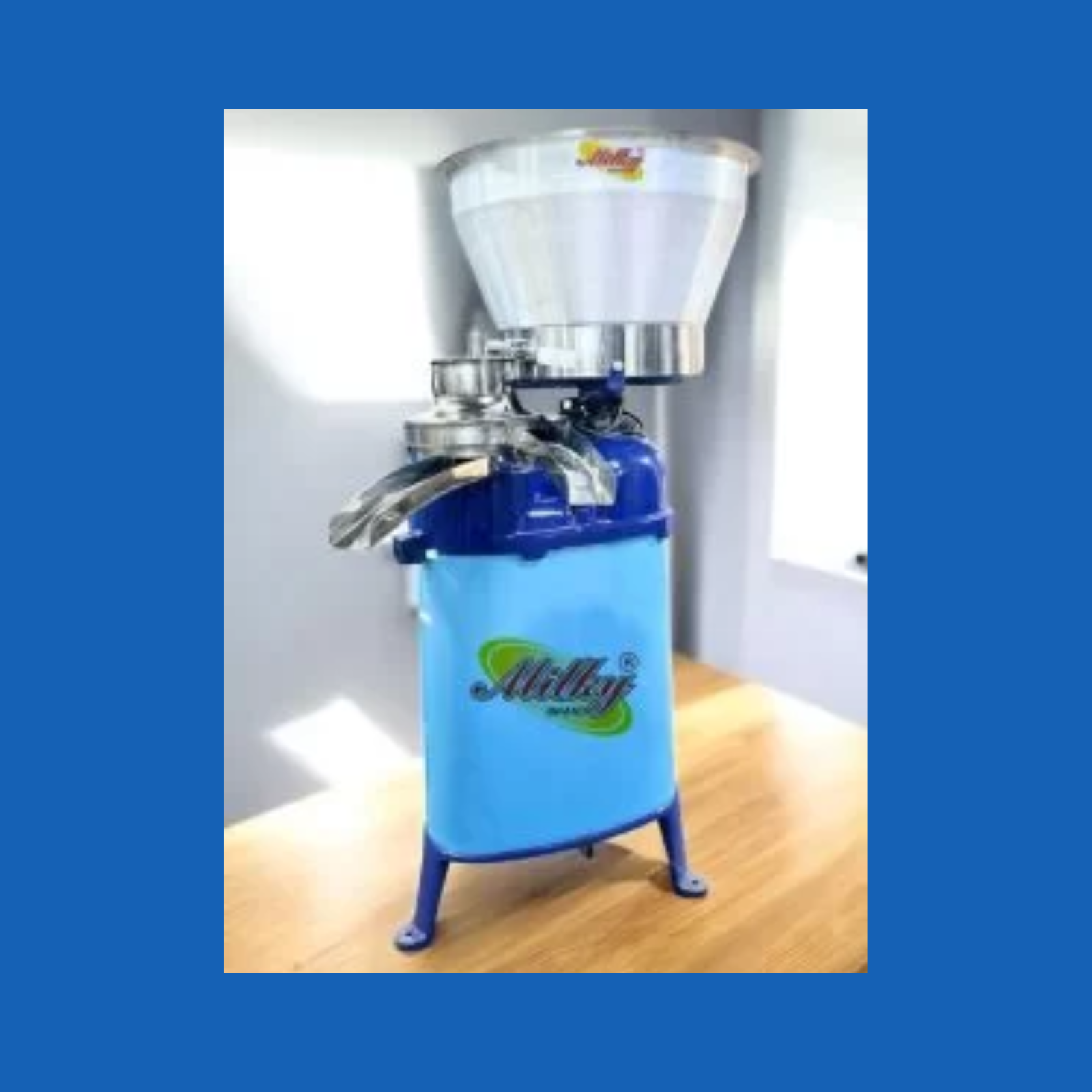
A MILKY® Electric Cream Separator Machine from Mahesh Eng. Works uses high-speed centrifugal force to separate cream from skim milk continuously, built from food-grade materials for the kind of repeated daily use seen at Salem's dairy farms, milk collection centres, and sweet and ghee production units.
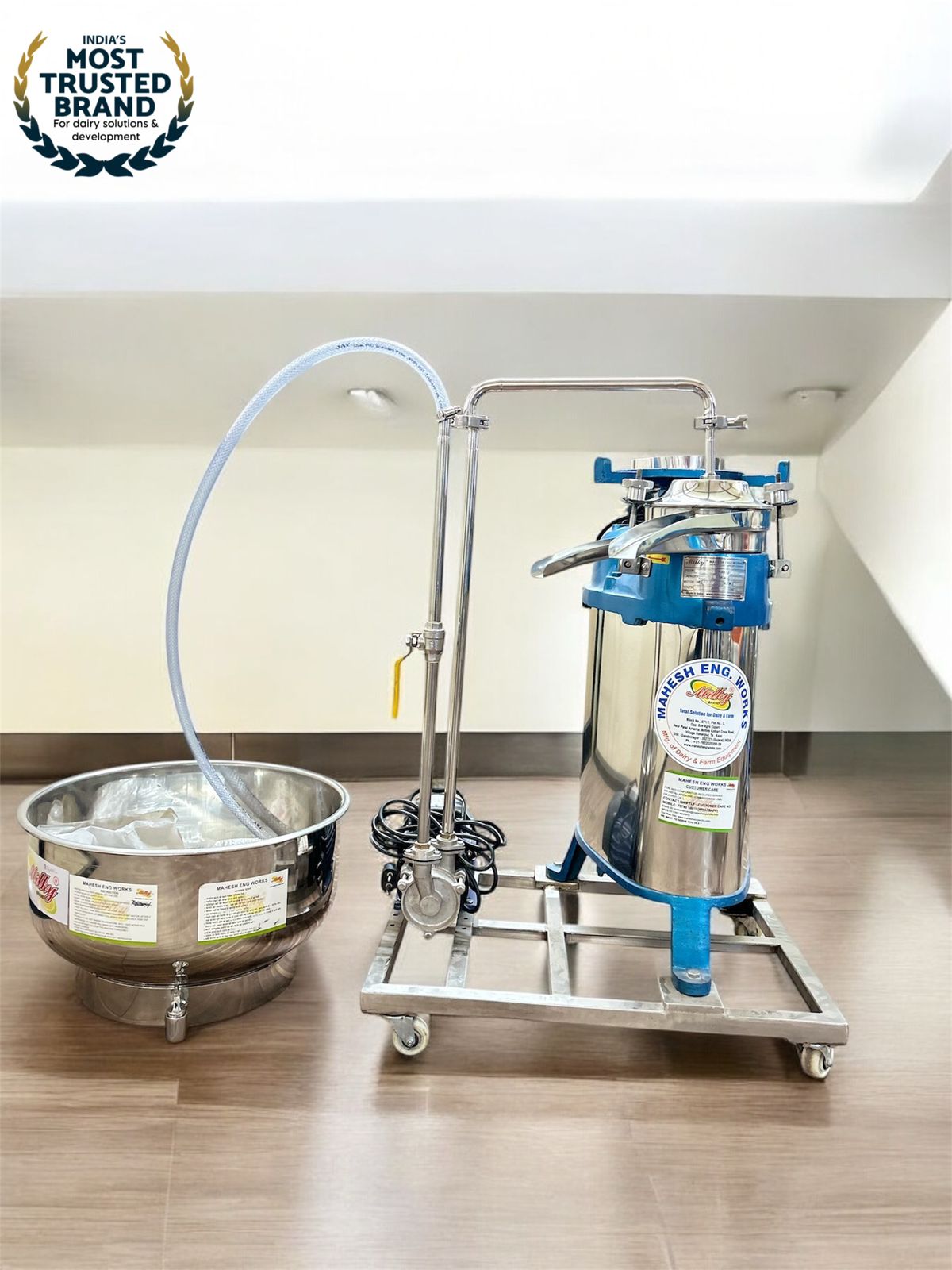 Installation Support
 Mahesh Eng. Works is an ISO 9001:2015 certified manufacturer based in Gandhinagar, Gujarat, with experience since 1980 across dairy equipment including Commercial Khoya Machine , milk cream separator machine, ghee clarifier machine, and paneer making machines. The company offers customized capacities, installation support, and after sales service for businesses across India.
MILKY® Cream Separator Machines are available from 80 LPH to 3,000 LPH, suiting everything from a single dairy farm's daily output to a collection centre's full receiving volume. Smaller capacities work well for on-farm separation and sweet-making units, while larger models suit cooperatives and commercial ghee plants processing higher daily volumes. Each model is available in MS or SS 304 construction depending on your requirement.
Choosing the right capacity depends on your daily milk volume and shift duration. Businesses running mixed cow and buffalo milk collection often choose a model slightly above their current need, both to allow for growth and to keep the disc stack from working at its limit during peak procurement hours.
| No. | Technical Data | 80 LPH Model | 300 LPH Model | 500 LPH Model | 750 LPH Model | 1000 LPH Model | 3000 LPH Model |
|---|---|---|---|---|---|---|---|
| 1 | Capacity | 60–165 LPH | 300 LPH | 500 LPH | 750 LPH | 1,000 LPH | 3,000 LPH |
| 2 | Bowl Material | S.S. 304 | M.S. / S.S. 304 | Mild Steel | Mild Steel | S.S. 304 | S.S. 304 |
| 3 | Motor Capacity | 0.08 HP, Single Phase | 0.25–0.5 HP, Single Phase | 0.50 HP, Single Phase | 0.50 HP, Single Phase | 1.00 HP, Three Phase | 5 HP, Three Phase |
| 4 | Motor Speed | 1425 RPM | 1425 RPM | 1425 RPM | 1425 RPM | 1425 RPM | 1425 RPM |
| 5 | No. of S.S. Discs | 15–17 | 25 | 40 | 40 | 40 | 65–75 |
| 6 | Tank Capacity | 5 LTR | Aluminium / S.S. 304 | 40 LTR | 40 LTR | - | - |
| 7 | Separation Temperature | 35–40°C | 35–40°C | 35–40°C | 35–40°C | 35–40°C | 35–40°C |
| 8 | Fat Separation Efficiency | 90–95% | 90–95% | 90–95% | 90–95% | 90–95% | 90–95% |
Download Full Brochure
Get drawings, full specifications, layout requirements and pricing on email.
MILKY® Cream Separator Machines are designed around the practical needs of dairy and sweet businesses. Key features include:

Centrifugal separation recovers 95–98% of available fat.

SS 304/316 construction meets dairy hygiene standards.

Set output fat percentage to suit ghee, butter, or ice cream production.

No batch cycle; runs through the entire milk receiving session.

Smooth bowl and disc surfaces for quick strip-down between sessions.

Standard bearings and seals; no proprietary parts

Motor sized to capacity; low running cost per litre processed.

On-farm cream separation for ghee or direct cream sale.

Cream recovery and milk standardization before dispatch

Fat standardization for toned, double-toned, and full-cream milk.

Fat adjustment of milk before processing.

Fresh cream for peda, burfi, and other mithai production.

Cream at consistent fat percentage for mix preparation.

95–98% fat recovery vs. 70–80% with manual methods.

Less fat retained in skim milk means more value from each litre.

Uniform fat content batch after batch.

One operator manages the machine vs. multiple staff for manual skimming.

Closed separation system reduces milk exposure

Handles 100 to 5,000 LPH within the milk receiving window.

Additional cream recovered typically pays back the machine cost within 12–18 months.
Divide litres/day by available shift hours to find minimum LPH needed.
Choose a model 20–25% above your current peak to allow for growth.
Single phase (220V) for up to 500 LPH; three phase (415V) for larger models.
Ghee plants need high cream volume; ice cream plants need specific fat %.
Twice-daily processing suits quick strip-down; larger plants may prefer CIP.
Free capacity sizing and technical advisory before purchase.
The price of a cream separator machine depends on capacity, motor specification, material grade, and automation level. Since groundwater hardness varies across different parts of Salem, some buyers opt for higher-grade SS 316 discs to better withstand descaling routines over the machine’s working life, which affects the final price. Since requirements vary by operation, Mahesh Eng. Works provides custom quotations based on your specific milk volume and production needs.
Mahesh Eng. Works supplies MILKY® Cream Separator Machines to dairy farms, milk collection points, ghee units, and sweet manufacturers across Salem and nearby towns including Attur, Mettur, Omalur, Sankari, and the wider Salem district, as well as neighbouring districts such as Namakkal, Erode, and Dharmapuri. As the manufacturer is based in Gandhinagar, Gujarat, delivery and installation timelines for Tamil Nadu are coordinated at the time of order, and the team provides remote and on-call installation guidance to help buyers get the machine running correctly from day one.
Get Quote for Your CityThin, watery cream is almost always caused by feeding milk below the recommended 35–40°C separation range, or by an incorrectly reassembled disc stack. Cold milk raises viscosity and lowers fat yield, while discs that aren't returned to their exact original sequence during reassembly sharply cut separation efficiency. Warming milk to the correct temperature and reassembling discs in order resolves most cases.
Yes, this is a real consideration for Salem operators. Alkaline-only cleaning removes fat residue well but leaves mineral scale behind when wash water is hard. Over time this scale narrows the fine gaps between discs and shows up as reduced cream output. Adding a periodic acid rinse alongside the normal alkaline wash, as part of your cleaning-in-place routine, prevents scale build-up.
Since the bowl spins at very high speed, even a small alignment issue or an over-tightened bowl lock ring during cleaning can create noticeable wobble. Left unaddressed, this accelerates bearing wear. Reassembling the bowl carefully and having it checked periodically rather than tightening it further usually resolves early-stage vibration.
Yes, if high-pressure water jets are directed near the motor housing during cleaning. Water ingress can damage motor insulation and cause short circuits over time. Cleaning routines should keep direct water spray away from the motor and electrical connections, focusing high-pressure rinsing on the bowl and disc stack only.
Only food-grade lubricants should be used on the spindle and gears. General automotive or industrial grease can contaminate milk if it leaks onto milk-wetted surfaces, which is a direct FSSAI compliance risk. This is worth confirming with your equipment supplier or maintenance technician when servicing the machine.
All product-contact surfaces are food-grade stainless steel – SS 304 as standard, with SS 316 available for higher-acid or more demanding environments. Stainless steel resists corrosion, is easy to clean, and keeps the cream free from contamination.
Yes. Mahesh Eng. Works ships machines to Tamil Nadu from its Gandhinagar, Gujarat facility, with installation guidance and after-sales support coordinated remotely and on-call. This includes guidance on disc reassembly sequence, cleaning routine, and temperature control, which are the most common causes of performance issues reported by operators locally.
All product-contact surfaces are food-grade stainless steel – SS 304 as standard, with SS 316 available for higher-acid or more demanding environments. Stainless steel resists corrosion, is easy to clean, and keeps the cream free from contamination.
A well-maintained MILKY® Cream Separator operating at the correct milk temperature (35–40°C) achieves 95–98% cream recovery, with residual fat in skim milk typically below 0.05% under optimal conditions.
Prices start from around ₹10,000 for a basic model and go up to ₹7 lakh or more for a 3,000 LPH industrial machine, excluding 18% GST. The commonly purchased 500 LPH electric model typically costs between ₹25,000 and ₹75,000. Exact pricing depends on capacity, SS grade, and motor specification contact Mahesh Eng. Works for a quotation tailored to your milk volume.
Talk to Mahesh Eng. Works today for the latest price, technical guidance on hard-water cleaning routines and temperature control, capacity recommendation, and machine configuration suited to Salem's dairy operations.